


When Brakes Fail: Understanding Vehicle Braking Systems and Emergency Response

INTRODUCTION
Brakes are one of the most important safety systems in any vehicle. They are the difference between a safe stop and a serious accident. Yet many drivers do not fully understand how their braking system works or what to do if it suddenly fails on the road. Educating drivers about braking systems and emergency response is essential for reducing accidents and saving lives. This guide explains the major types of braking systems used in vehicles today and provides practical steps drivers should take if braking problems occur.
Why the Braking System Is Critical to Road Safety
The braking system allows a driver to slow down, stop, or maintain control of a vehicle in emergencies. A minor brake fault can quickly become dangerous, especially at high speeds, on wet roads, or in traffic. Brake failure is often caused by worn components, fluid leakage, overheating, or poor maintenance.
Understanding how braking systems work helps drivers recognize warning signs early and respond correctly during emergencies
Hydraulic Braking System
Most modern vehicles use hydraulic braking systems. This system relies on brake fluid to transmit force from the brake pedal to the wheels. When the driver presses the brake pedal, hydraulic pressure forces brake pads or shoes against a disc or drum, slowing the vehicle. Hydraulic brakes are powerful and responsive, but they depend heavily on brake fluid condition. Low or contaminated brake fluid can lead to reduced braking power or complete brake failure. Regular checks and timely servicing are essential to keep this system functioning properly.
Disc Brake System
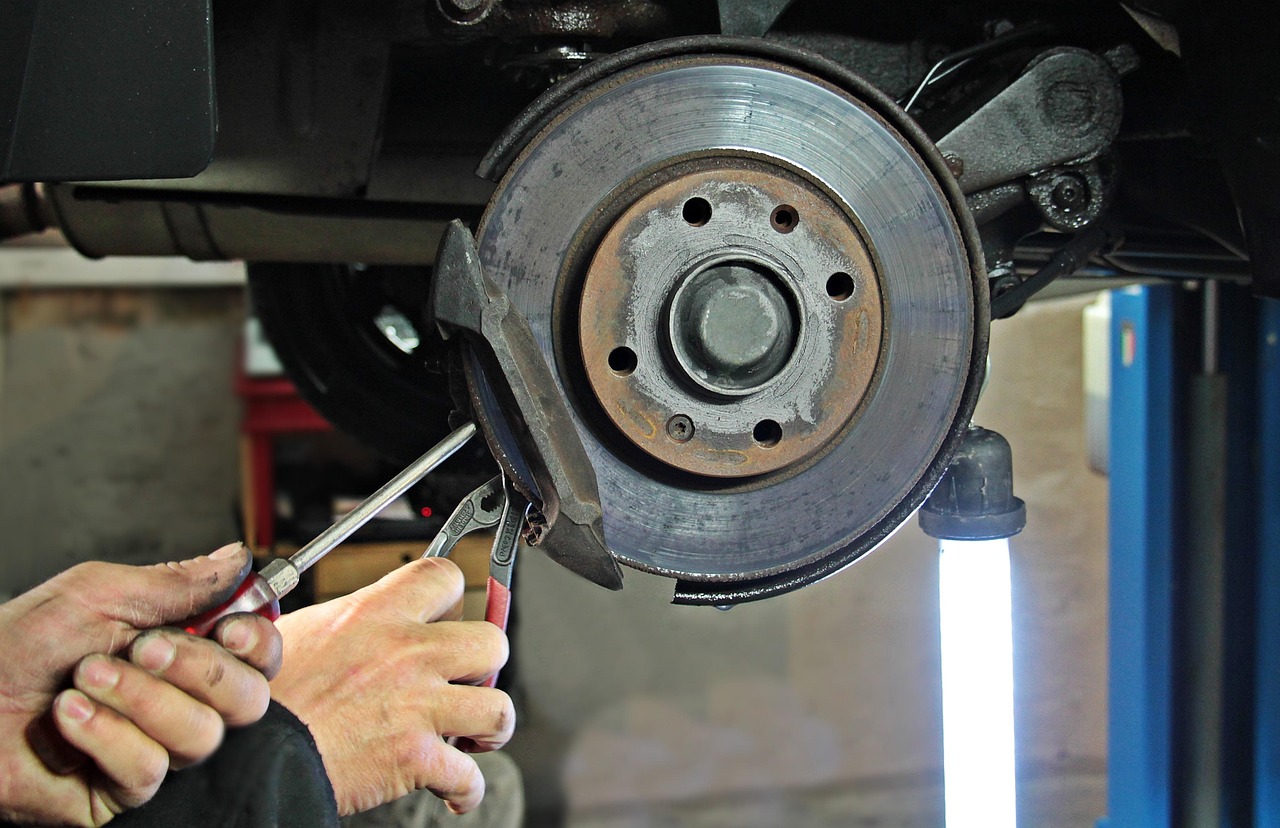
Disc brakes are commonly found on the front wheels of most vehicles and on all wheels of many modern cars. This system uses brake pads that clamp onto a rotating disc attached to the wheel. Disc brakes offer better stopping power, improved heat dissipation, and more reliable performance, especially during repeated braking. They are less likely to overheat compared to drum brakes. Worn brake pads, damaged discs, or unusual grinding noises are signs that disc brakes require immediate attention.
Drum Brake System
Drum brakes are often used on the rear wheels of some vehicles. In this system, brake shoes press outward against the inside of a rotating drum to slow the vehicle. While drum brakes are durable and cost-effective, they are more prone to heat buildup and may lose efficiency during heavy or repeated braking. This makes proper adjustment and maintenance very important. Drivers should pay attention to reduced braking response or pulling to one side, which may indicate drum brake issues.
Anti-Lock Braking System
The Anti-Lock Braking System, commonly known as ABS, is designed to prevent wheels from locking during sudden or hard braking. ABS allows the driver to maintain steering control while braking, especially on slippery or wet roads. When ABS activates, drivers may feel vibration or pulsation in the brake pedal. This is normal and indicates the system is working. When driving a vehicle equipped with ABS, drivers should apply firm and steady pressure on the brake pedal during emergency stops rather than pumping the brakes.
Warning Signs of Brake Problems
Drivers should never ignore early signs of brake trouble. Common warning signs include squealing or grinding noises, a soft or spongy brake pedal, vibration when braking, pulling to one side, longer stopping distances, or a brake warning light on the dashboard. Addressing these signs early can prevent sudden brake failure and costly repairs.
What to Do If Your Brakes Fail Suddenly
Brake failure can be frightening, but staying calm and responding correctly can prevent a serious accident.
The first step is to remain calm and keep both hands firmly on the steering wheel.
Gradually release the accelerator and avoid sudden movements.
Try pumping the brake pedal to build pressure, especially in vehicles without ABS. If this does not work, slowly engage the handbrake while keeping a firm grip on the steering wheel.
Do not pull the handbrake sharply, as this can cause the vehicle to skid. Shift to a lower gear to reduce speed using engine braking.
Use hazard lights to alert other road users and steer the vehicle to a safe stopping area, such as the road shoulder or an open space. Once the car has stopped, turn off the engine and seek professional assistance. Do not continue driving a vehicle with brake failure.
The Importance of Regular Brake Checks
Brake systems wear out gradually, and many failures can be prevented through routine inspection and maintenance. Regular brake checks help identify worn pads, leaking fluid, damaged components, and other faults before they become dangerous. Understanding how your braking system works and knowing how to respond in emergencies empowers drivers to make safer decisions on the road.
Promoting Safer Roads Through Brake Awareness
Public awareness of braking systems is a crucial aspect of enhancing road safety. When drivers understand their vehicles and take brake maintenance seriously, the risk of accidents is significantly reduced.
Final Thought
Brake safety is not optional. It is a fundamental requirement for protecting lives on the road. Many brake-related accidents occur not because drivers are careless, but because faults go unnoticed until it is too late.
LACVIS exists to close this gap. By identifying brake defects early, enforcing safety standards, and ensuring that only roadworthy vehicles are certified, LACVIS helps prevent avoidable failures before they turn into emergencies.
Every properly checked braking system represents a potential accident prevented. Through its role in regulation, inspection, and public safety awareness, LACVIS continues to safeguard drivers, passengers, and all road users by keeping unsafe vehicles off the road and safety at the forefront of transportation.
Have Questions? Get in Touch!
We're here to help and answer any questions you might have