


Tyre Negligence: A Silent Contributor to Road Crashes

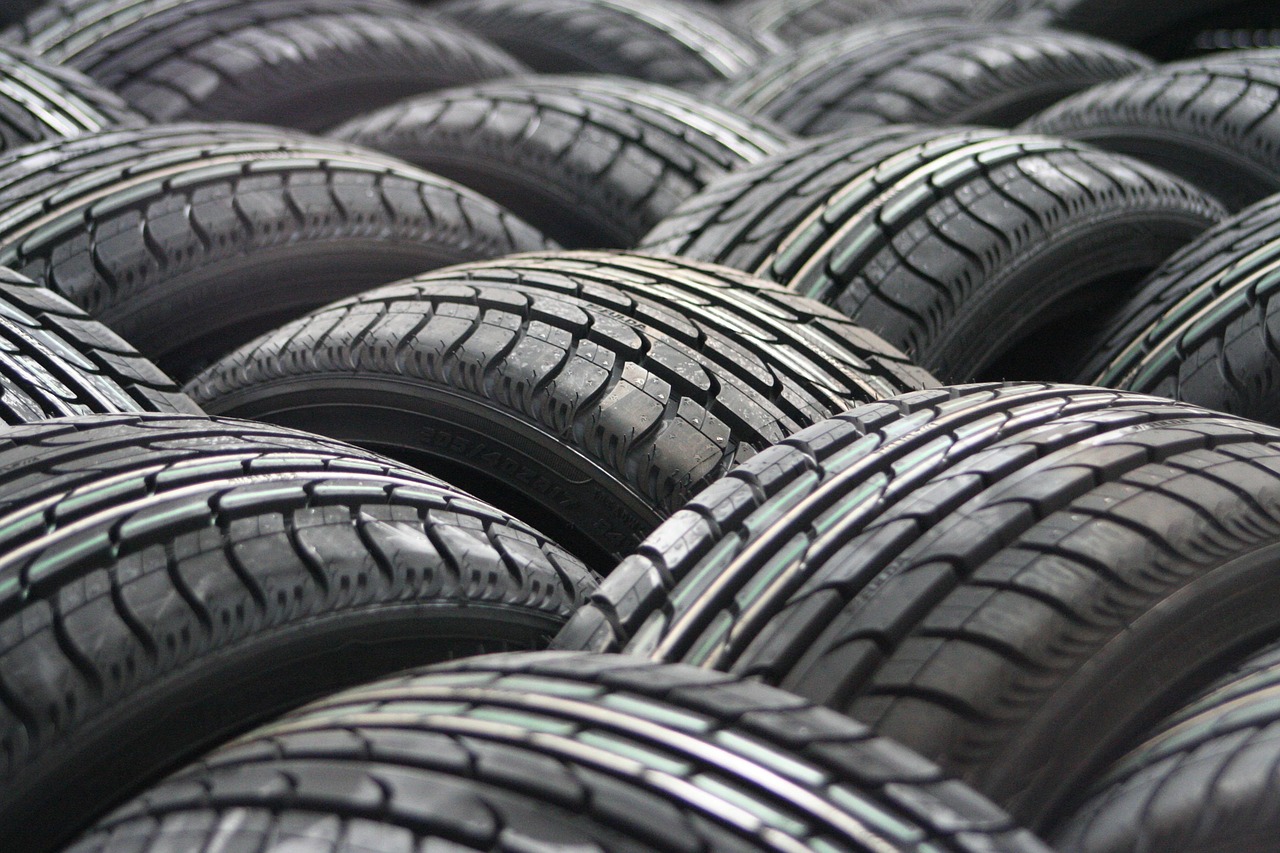
Every vehicle, regardless of its size or cost, relies on four small contact patches to stay connected to the road.
Those contact points are the tyres.
Tyres are not merely rubber components. They are critical safety systems that determine stability, braking efficiency, steering control, and overall vehicle performance. Yet they remain one of the most neglected aspects of vehicle maintenance.
Understanding the importance of tyre condition is essential to reducing road crashes caused by mechanical failure.
Why Tyres Matter More Than You Think
Tyres perform multiple safety functions simultaneously:
- - They support the entire weight of the vehicle
- They absorb shock from uneven road surfaces
- They provide traction during acceleration
- They enable effective braking
- They maintain directional control during steering
When tyres are worn, underinflated, overinflated, or damaged, these functions are compromised, and so is road safety.
Even the most advanced braking system cannot compensate for poor tyre condition.
The Risks of Worn-Out Tyres
Worn tyres reduce grip, especially on wet or slippery roads.
This increases the risk of:
- Skidding
- Hydroplaning
- Extended braking distance
- Loss of steering control
- Tyre bursts at high speeds
A tyre burst at highway speed can lead to sudden loss of control, endangering not only the driver but also passengers, pedestrians, and other road users.
Understanding Tyre Tread Depth
Tread depth is a key indicator of tyre safety. The grooves in a tyre are designed to channel water away from the surface, maintaining grip.
When the tread becomes too shallow:
- Water cannot disperse effectively
- Braking efficiency reduces
- Vehicle stability decreases
Drivers should regularly inspect tread depth and replace tyres that fall below recommended safety standards.
Tyre Pressure: A Simple but Critical Check
Incorrect tyre pressure is a common but avoidable risk factor.
Underinflated tyres:
- - Increase fuel consumption
- Causes uneven wear
- Raise the risk of overheating and blowouts
Overinflated tyres:
- Reduce road grip
- Lead to harsh handling
- Increase the likelihood of impact damage
Routine pressure checks, especially before long journeys, significantly improve safety and efficiency.
Alignment and Balancing Proper wheel alignment ensures that tyres make even contact with the road.
Poor alignment causes:
- Uneven tyre wear
- Steering instability
- Reduced control during braking
Regular inspection helps detect these issues before they escalate into serious safety hazards.
The Role of LACVIS
Tyre condition forms an essential part of the roadworthiness assessment conducted by LACVIS.
LACVIS Test centers evaluate:
- Tread depth
- Tyre integrity
- Wheel alignment
- Overall safety compliance
This structured approach ensures that vehicles operating on public roads meet minimum safety standards.
Preventive Safety Is Responsible Driving
Tyres do not fail without warning. Cracks, bulges, worn treads, and vibration are early indicators of potential danger.
Ignoring these signs increases risk; not only for the driver but for everyone on the road.
Vehicle maintenance is not an inconvenience. It is a responsibility.
Conclusion
Before every journey, a driver places trust in their vehicle. But ultimately, that vehicle rests on four tyres. Tyres are the only components in direct contact with the road surface. Their condition directly influences braking distance, steering response, and overall control. Safe roads begin with roadworthy vehicles, and roadworthy vehicles begin with properly maintained tyres.
Have Questions? Get in Touch!
We're here to help and answer any questions you might have