


The Moment Before the Accident: What Most Drivers Get Wrong

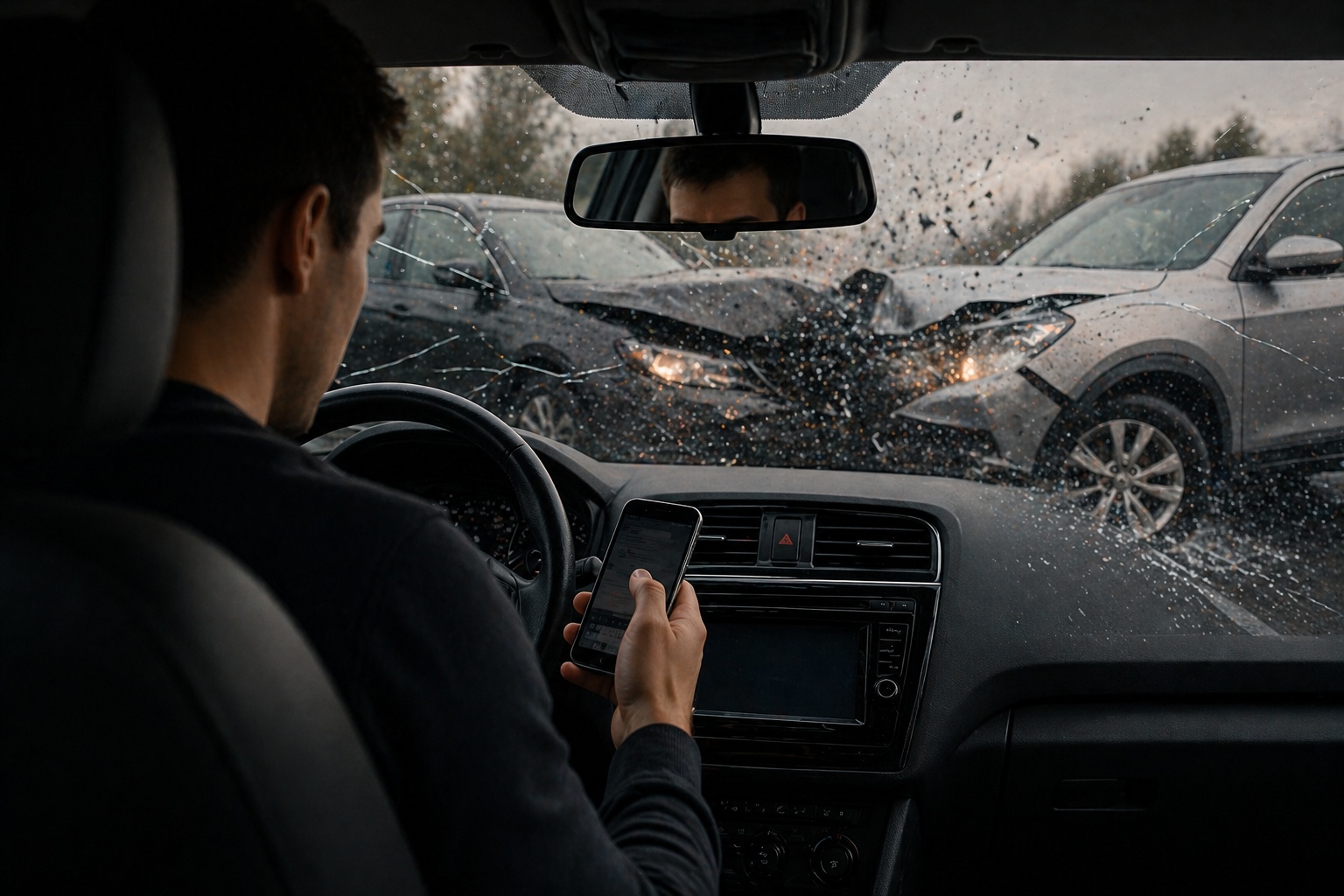
Every accident has a moment just before it happens. It may not be loud or obvious. Sometimes, it is just a second. A small decision. A brief loss of attention. But that moment is often where everything goes wrong.
Many people think accidents happen suddenly or by chance. In reality, most accidents build up quietly. The signs are there, but they are often missed or ignored. What a driver does in that short moment before the incident can either prevent it or cause it.
One common mistake drivers make is assuming what others will do. A driver may think the car ahead will keep moving, or that a pedestrian will wait, or that another vehicle will not enter their lane. These assumptions create a false sense of control. The truth is that the road is unpredictable. People change their minds quickly. When you rely on assumptions instead of paying close attention, you reduce your ability to respond in time.
Another issue is looking without truly seeing. Many drivers keep their eyes on the road but are not fully aware of what is happening. They may miss a vehicle slowing down, a person about to cross, or a car trying to join the road. This kind of half-attention is dangerous because it creates the illusion that everything is under control when it is not.
Delayed reaction is also a major problem. A driver may notice a risk but respond too slowly. This can happen due to distraction, tiredness, or simply underestimating the situation. Even a short delay of one or two seconds can lead to a crash. Quick and timely reactions often make the difference between safety and an accident.
Following too closely is another mistake that shows up in that critical moment. When a driver stays too close to the vehicle ahead, there is little or no space to react if something goes wrong. If the car in front stops suddenly, there may not be enough time to brake safely. Keeping a safe distance gives you room to think and act.
Overconfidence also plays a role. Some drivers feel that because they have been driving for years, they can handle any situation. This mindset can lead to careless behaviour, such as speeding or ignoring warning signs. Experience is valuable, but it should not replace caution. Every journey is different, and every moment on the road requires attention.
There are often small warning signs before an accident happens. A car may be moving unsteadily, brake lights may appear suddenly, or a pedestrian may be standing too close to the road. These signs are easy to ignore, especially when a driver is not fully focused. Noticing these early signs gives you time to prepare and avoid danger.
Even a brief loss of focus can be enough to cause a problem. Many drivers believe that a quick glance away from the road will not matter. But in that short time, situations can change quickly. A vehicle may stop, a person may step out, or traffic may slow down. That one second of distraction can be critical.
The moment before an accident is not about luck. It is about awareness, attention, and the choices a driver makes. Safe driving goes beyond controlling the vehicle. It involves staying alert, thinking ahead, and being ready to respond at all times.
As you go about your week, be more intentional when you are on the road. Pay closer attention. Avoid assumptions. Give yourself space and time to react. Because in that one moment before something happens, your actions can make all the difference.
Stay alert, stay aware, and drive with care.
Have Questions? Get in Touch!
We're here to help and answer any questions you might have