


Driving at Night: How Vehicle Condition Impacts Safety More Than You Think

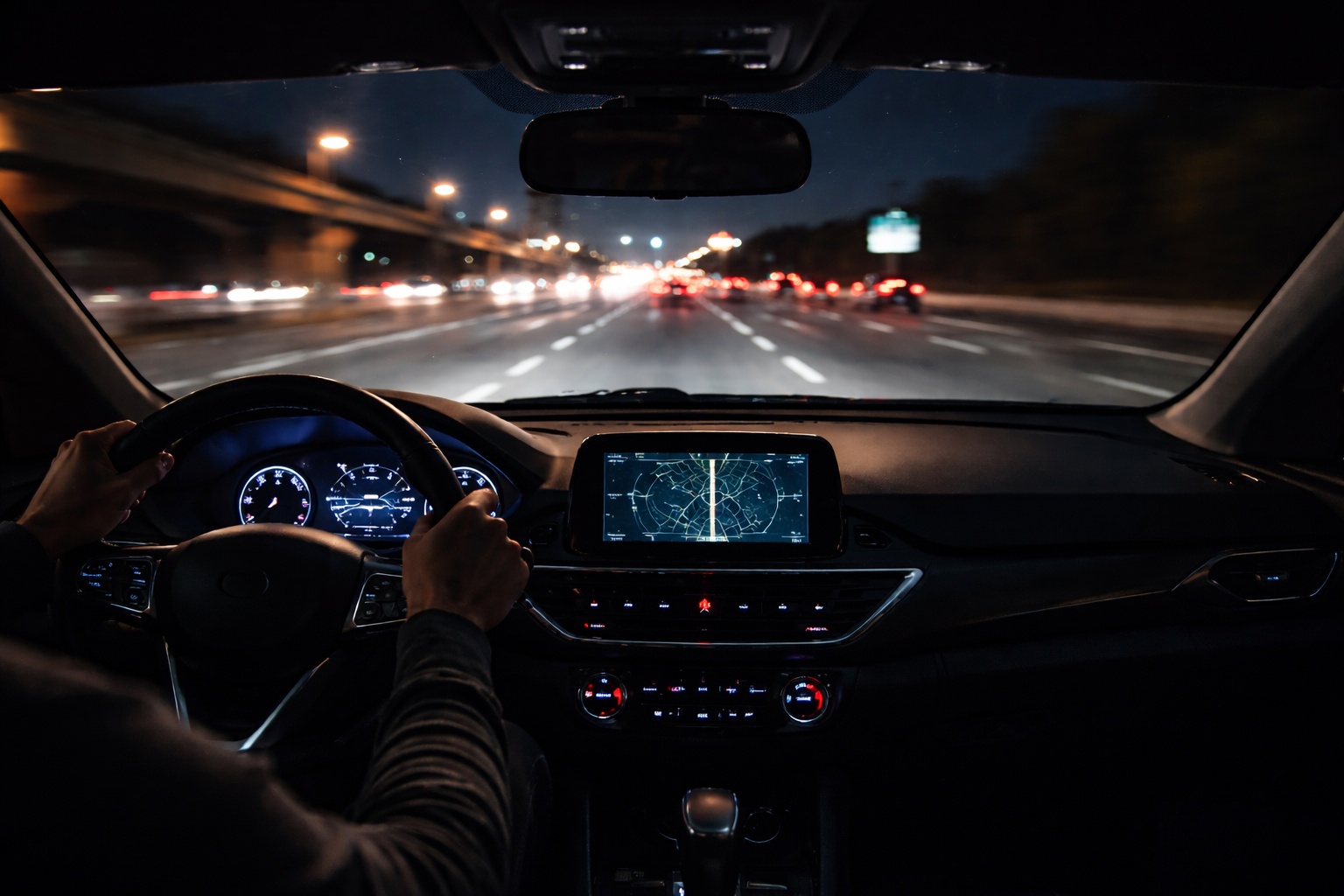
Driving at night presents a distinct set of challenges compared to daytime travel. Reduced visibility, inconsistent street lighting, unpredictable road users, and driver fatigue all contribute to increased risk. However, one critical factor often overlooked is the condition of the vehicle itself.
At night, a vehicle is more than a means of transportation; it becomes a primary safety system. Any mechanical or electrical fault, no matter how minor it may seem during the day, is significantly magnified after dark.
Visibility Is Limited: Your Lighting System Is Critical
In low-light conditions, a driver’s ability to see and be seen depends almost entirely on the vehicle’s lighting system.
Faulty headlights, dim bulbs, or poorly aligned beams can:
- Reduce forward visibility
- Impair the ability of oncoming drivers to see clearly
- Increase the risk of collisions
Equally important are rear lights, brake lights, and indicators. If these are not functioning properly, other road users may be unable to anticipate your movements.
A minor lighting defect in the daytime can become a serious safety hazard at night.
Brake Performance and Reaction Time
Night driving often involves reduced reaction time due to limited visibility and fatigue. Under such conditions, the efficiency of the braking system becomes even more important.
Worn brake components, low brake fluid, or delayed brake response can:
- Increase stopping distance
- Compromise control during emergencies
- Lead to avoidable collisions
When hazards are detected later, the ability of the brakes to respond immediately becomes critical
Tyre Condition and Road Contact
Tyres are the only point of contact between the vehicle and the road. Their condition is particularly important at night, especially on poorly lit or uneven roads.
Common issues such as worn tread, incorrect pressure, or weakened tyres can:
- Reduce traction
- Increase the likelihood of skidding
- Limit the vehicle’s ability to respond to sudden obstacles
At night, drivers may not easily detect potholes or debris, making tyre reliability essential.
Windscreen Clarity and Wiper Efficiency
Clear vision is fundamental to safe driving. At night, glare from oncoming headlights, dust, and weather conditions can significantly affect visibility.
A scratched or dirty windscreen, combined with ineffective wipers, can:
- Distort incoming light and create glare
- Reduce visibility during rainfall
- Increase eye strain and fatigue
Maintaining a clean and undamaged windscreen is essential for accurate judgment on the road.
Battery Strength and Electrical Reliability
Vehicle electrical systems are relied upon more heavily at night. Headlights, signal lights, dashboard systems, and other components must function without interruption.
A weak battery or faulty electrical system can result in:
- Sudden lighting failure
- Difficulty restarting the vehicle
- Complete system shutdown
Breakdowns at night pose greater safety risks, particularly in poorly lit or isolated areas.
Driver Fatigue and Vehicle Condition
Night driving places additional strain on drivers, often leading to reduced alertness. When combined with poor vehicle condition, the risk of accidents increases significantly.
A well-maintained vehicle helps to:
- Improve response time
- Reduce driver stress
- Enhance overall control and stability
Pre-Drive Safety Checks
Before embarking on a night journey, drivers should carry out basic checks:
- Confirm that all lights are functioning properly
- Test brake responsiveness
- Inspect tyre condition and pressure
- Ensure windscreen clarity
- Verify battery strength
A few minutes of inspection can significantly reduce the risk of incidents.
Conclusion
Night driving requires more than skill; it requires preparation and responsibility. Vehicle faults that may seem insignificant during the day can have serious consequences after dark.
Maintaining a roadworthy vehicle is essential not only for personal safety but also for the safety of all road users. A properly maintained vehicle enhances visibility, improves response time, and provides the reliability needed to navigate the roads safely at night.
Have Questions? Get in Touch!
We're here to help and answer any questions you might have