


Obayendo Pushes for National Transport Master Plan as CIoTA Celebrates 40 Years of Advancing Nigeria’s Transport Sector
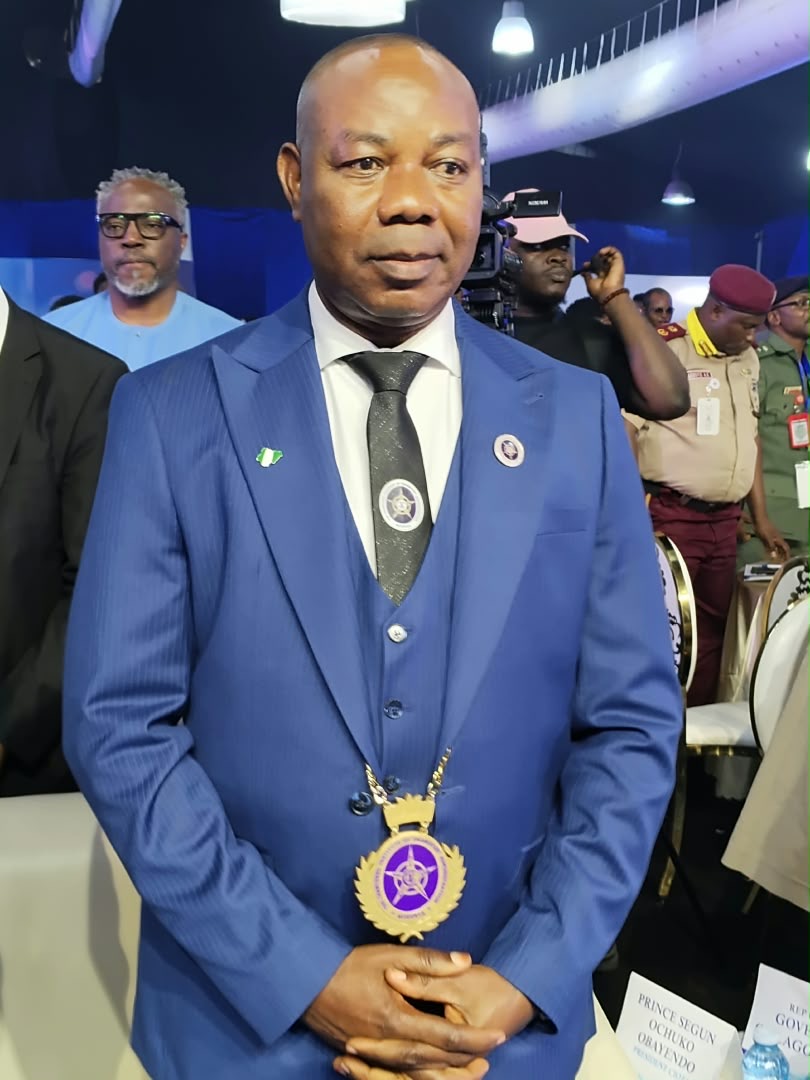
The need for a cohesive national transportation framework took centre stage as Prince Dr. Segun Ochuko Obayendo, Managing Director/Chief Executive Officer of the Lagos Computerised Vehicle Inspection Service (LACVIS) and President of the Chartered Institute of Transport Administration of Nigeria (CIoTA), advocated a comprehensive National Transport Master Plan to drive integration, efficiency and sustainable development across Nigeria’s transport ecosystem.
The call was made at CIoTA’s 40th Anniversary and 8th National Transportation Conference, held at the Federal Palace Hotel, Victoria Island, Lagos, under the theme “Integrated Multimodal Transportation System for Sustainable Development of Nigeria.” The gathering convened traditional rulers, industry leaders, transport professionals and key stakeholders to deliberate on the strategic direction of Nigeria’s transportation sector.
Among the eminent dignitaries were His Royal Majesty, Oba AbdulWasiu Omogbolahan Lawal, Abisogun II, the Oniru of Iruland, Lagos; His Royal Majesty, Oba Rilwan Babatunde Osuolale Aremu Akiolu, the Oba of Lagos and Royal Father of the Day; and His Royal Majesty, Oba Rafiu Ishola Balogun, the Elejinrin of Ejinrinland and CIoTA co-founder.
Also in attendance were Dr. Boboye Oyeyemi, former Corps Marshal of the Federal Road Safety Corps (FRSC) and President of the Chartered Institute of Logistics and Transport (CILT) Nigeria; and Princess Mulikat Sanni, CIoTA’s first female President, alongside other distinguished guests and stakeholders from across the transportation industry.
Obayendo Urges Strategic Coordination Across Transport Networks
In his remarks, Obayendo underscored the imperative of a National Transport Master Plan as a strategic blueprint for harmonising infrastructure development, aligning institutional responsibilities and strengthening coordination among transportation agencies.
He emphasised that road, rail, air and water transport must be developed as complementary components of an interconnected system, rather than as isolated networks. Such a coordinated framework could enhance mobility, streamline logistics, improve the movement of goods and passengers, and unlock greater economic value.
Obayendo also highlighted the need for Nigeria to position itself at the forefront of transportation development through forward-looking policies, deliberate planning and stronger institutional collaboration.
Integrated Mobility as a Driver of Sustainable Development
The conference theme spotlighted the growing importance of multimodal integration in building a resilient, efficient and sustainable transport system. Effective coordination across transport networks can help address connectivity gaps, improve access to markets and services, and support the movement of people and goods.
CIoTA’s 40th anniversary marked a significant milestone in the Institute’s journey since its establishment in 1988, reaffirming its longstanding role in advancing transportation administration and professional development in Nigeria.
The deliberations reinforced a central message: Nigeria’s transport future depends not only on infrastructure expansion, but also on coherent planning, institutional alignment and sustained collaboration. A comprehensive National Transport Master Plan could provide the strategic direction needed to advance an integrated transportation system capable of supporting the country’s long-term development ambitions.
Have Questions? Get in Touch!
We're here to help and answer any questions you might have